

Phone Technology
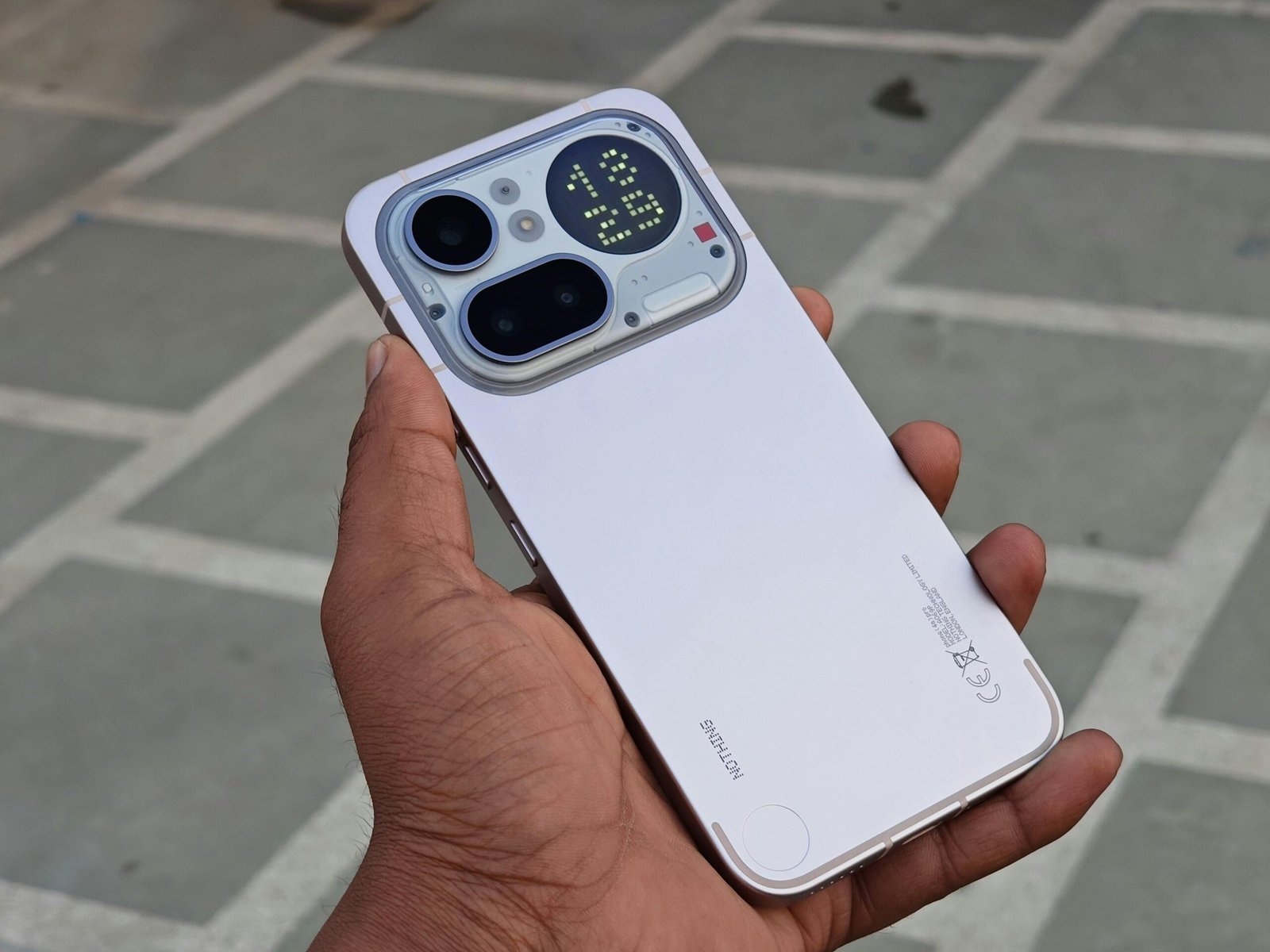
Imagine waking up without your phone. No alarm, no messages, no internet, no social media, no maps life would feel incomplete. This shows how deeply phone technology is connected to our daily routine. Smartphones are no longer just communication devices, they are our personal assistants, entertainment hubs, business tools, and even health trackers.
Over the past decade, phone technology has improved rapidly. New features like 5G connectivity, AI cameras, foldable screens, and advanced security systems have made smartphones smarter and more useful than ever before. Even budget phones today offer features that were once available only in expensive devices.
From booking a ride to attending online classes, from editing videos to managing money, everything is now possible with a single device in your pocket. The rapid growth of phone technology has made life easier, faster, and more connected than ever before. But how does this powerful technology actually work? What are the hidden systems behind your smartphone? And what exciting innovations are coming in the future?
In today’s fast-moving digital world, phone technology has become a big part of our daily lives. From simple calling devices to powerful mini-computers, smartphones have completely changed how we communicate, work, and entertain ourselves. Whether you are chatting with friends, attending online classes, running a business, or watching videos, your phone plays a central role.
This article will help you understand phone technology in simple language. We will explore its evolution, key features, real-life uses, tips for choosing the best phone, and what the future holds.
Understanding Phone Technology
What is Phone Technology?
Phone technology refers to the hardware, software, and communication systems used in mobile phones. It includes everything from:
- Processors (the brain of the phone)
- Operating systems (like Android or iOS)
- Camera systems
- Internet connectivity (4G, 5G, Wi-Fi)
- Sensors and smart features
In simple words, phone technology is what makes your smartphone smart and powerful.
Evolution of Phone Technology
1. Early Mobile Phones
In the beginning, mobile phones were only used for:
- Making calls
- Sending SMS
They were large, expensive, and had very limited features.
2. Feature Phones Era
Then came feature phones with:
- Basic cameras
- Music players
- Simple games
These phones were more affordable and popular among the general public.
3. Smartphone Revolution
The real change came with smartphones. These devices introduced:
- Touchscreens
- Internet browsing
- Mobile apps
- Social media access
Smartphones became a complete digital solution in your pocket.
4. Modern Smartphones
Today’s phones include advanced technologies such as:
- Artificial Intelligence (AI)
- Face recognition
- Fingerprint sensors
- High-quality cameras
- Fast charging
Key Features of Modern Phone Technology
1. Powerful Processors
Modern smartphones use high-speed processors that allow:
- Smooth gaming
- Fast app performance
- Multitasking
2. Advanced Camera Systems
Smartphone cameras now offer:
- Multiple lenses (wide, ultra-wide, macro)
- Night mode
- AI image enhancement
3. 5G Connectivity
5G technology provides:
- Faster internet speed
- Low latency
- Better streaming quality
Example: You can download movies in seconds and enjoy lag-free online gaming.
4. Battery and Fast Charging
Modern phones come with:
- Long-lasting batteries
- Fast charging technology
- Wireless charging
5. Display Technology
Phones now feature:
- AMOLED and OLED displays
- High refresh rates (90Hz, 120Hz)
- Foldable screens
6. Security Features
Security has improved with:
- Fingerprint scanners
- Face unlock
- Data encryption
Real-Life Uses of Phone Technology
1. Communication
- Calls, messages, video chats
- Social media apps
2. Education
- Online classes
- Educational apps
- E-books
Example: Students can attend classes from home using their smartphones.
3. Business and Work
- Emails and meetings
- Remote work tools
- Online payments
4. Entertainment
- Streaming movies
- Gaming
- Music apps
5. Health and Fitness
- Fitness tracking
- Health monitoring apps
- Step counters
Advantages of Phone Technology
- Convenience: Everything in one device
- Connectivity: Stay connected anytime, anywhere
- Productivity: Helps in work and study
- Entertainment: Unlimited content
- Innovation: Continuous improvements
Disadvantages of Phone Technology
- Addiction: Too much screen time
- Privacy risks: Data security concerns
- Health issues: Eye strain, poor sleep
- Cost: High-end phones can be expensive
Tips for Choosing the Right Smartphone
1. Set Your Budget
Decide how much you want to spend.
2. Check Performance
Look for:
- Good processor
- Enough RAM (at least 6GB recommended)
3. Camera Quality
Choose based on your needs:
- Casual photos
- Professional content
4. Battery Life
Pick a phone with:
- At least 4000–5000mAh battery
5. Storage
Ensure enough space for apps and media:
- Minimum 128GB recommended
6. Software Updates
Choose brands that provide regular updates.
Future of Phone Technology
1. Artificial Intelligence (AI)
Phones will become even smarter with:
- Better voice assistants
- Personalized user experience
2. Foldable and Flexible Phones
More advanced foldable phones will:
- Replace tablets
- Offer bigger screens
3. Augmented Reality (AR)
AR will allow:
- Virtual shopping
- Interactive gaming
4. Improved Battery Technology
Future phones may include:
- Faster charging (under 10 minutes)
- Longer battery life
5. Satellite Connectivity
Phones may connect directly to satellites for:
- Emergency communication
- Better coverage in remote areas

Actionable Advice for Users
- Limit screen time to protect your health
- Use strong passwords and security features
- Regularly update your phone software
- Backup your data regularly
Advanced Phone Technology: Deep Dive into Smartphones
Phone technology is no longer just about making calls or sending messages. Today, smartphones are powerful digital tools that combine communication, computing, entertainment, and artificial intelligence into one small device.
From helping students study online to allowing businesses to operate globally, phone technology has become the backbone of modern life. In fact, many people now rely more on their smartphones than on laptops or desktops.
Let’s explore deeper into how phone technology works, what makes it powerful, and how it continues to evolve.
How Smartphones Work?
1. Processor (CPU & GPU)
The processor is the brain of the smartphone. It controls everything:
- Opening apps
- Playing games
- Running the operating system
Types:
- CPU (Central Processing Unit): Handles tasks
- GPU (Graphics Processing Unit): Handles visuals and gaming
Example: High-end phones can run heavy games like PUBG or Call of Duty smoothly.
2. Operating System (OS)
The OS is the software that runs your phone.
Popular OS:
- Android
- iOS
It manages:
- Apps
- Security
- User interface
3. RAM and Storage
- RAM: Helps in multitasking
- Storage: Saves apps, photos, videos
4. Sensors in Smartphones
Modern phones include multiple sensors:
- Gyroscope: Detects movement
- Accelerometer: Tracks direction
- Proximity sensor: Turns off screen during calls
- Ambient light sensor: Adjusts brightness
Latest Innovations in Phone Technology
1. Artificial Intelligence (AI)
AI is making phones smarter by:
- Improving photos automatically
- Suggesting apps
- Voice assistants like Google Assistant
Real-life use: AI helps detect faces and enhance camera quality instantly.
2. Foldable and Flip Phones
Foldable phones allow:
- Bigger screens
- Multitasking
Example: You can use two apps at the same time on one screen.
3. 5G and Beyond
5G is revolutionizing mobile connectivity:
- Ultra-fast speed
- Low delay
- Better gaming experience
Future: 6G technology is already being researched.
4. Augmented Reality (AR) & Virtual Reality (VR)
These technologies allow:
- Virtual try-ons (clothes, glasses)
- Gaming experiences
- Education simulations
5. Biometric Security
Modern security features include:
- Face recognition
- Fingerprint sensors
- Iris scanning
Smartphone Cameras: A Game Changer
How Phone Cameras Became Powerful
Today’s smartphones use:
- AI image processing
- Multiple lenses
- High megapixels
Features:
- Night Mode
- Portrait Mode
- 4K/8K Video Recording
Real-life example: Many YouTubers shoot videos using smartphones instead of professional cameras.
Mobile Apps and Ecosystem
Importance of Apps
Apps make smartphones useful:
- Social media
- Banking
- Education
- Gaming
App Ecosystem Benefits
- Easy access to services
- Personalized experience
- Business opportunities
Example: Food delivery apps, ride-hailing, and online shopping apps.
Impact of Phone Technology on Society
1. Communication Revolution
- Instant messaging
- Video calls
- Social media
2. Digital Economy Growth
Smartphones support:
- Online businesses
- Freelancing
- E-commerce
3. Education Transformation
- Online learning
- Skill development apps
- Digital classrooms
4. Social Impact
- Global connectivity
- Cultural exchange
- Awareness campaigns
Challenges in Phone Technology
1. Digital Addiction
Too much phone use can cause:
- Loss of focus
- Reduced productivity
2. Privacy and Security Risks
- Data leaks
- Cyber attacks
3. E-Waste Problem
Old phones create:
- Environmental pollution
Solution: Recycling and responsible disposal.
Tips to Use Phone Technology Smartly
Healthy Usage Tips
- Limit screen time
- Avoid using phone before sleep
- Take regular breaks
Security Tips
- Use strong passwords
- Enable fingerprint/face lock
- Avoid public Wi-Fi for banking
Performance Tips
- Clear cache regularly
- Update apps
- Avoid too many background apps
Phone Technology Trends in 2026 and Beyond
1. AI-Powered Personal Assistants
Phones will:
- Understand your habits
- Automate tasks
2. Smart Integration with IoT
Phones will control:
- Smart homes
- Cars
- Wearable devices
3. Eco-Friendly Smartphones
Companies are focusing on:
- Recyclable materials
- Energy-efficient devices
4. Satellite Communication
Phones may work without towers in remote areas.
Buying Guide: Expert-Level Advice
For Students
- Budget-friendly phone
- Good battery
- Decent camera
For Gamers
- High RAM (8GB+)
- Powerful GPU
- Cooling system
For Professionals
- Strong processor
- Large storage
- Security features
For Content Creators
- High-quality camera
- Video stabilization
- Good microphone
Actionable Checklist Before Buying a Phone
Check processor performance
Compare camera samples
Look for battery capacity
Read user reviews
Check software updates
Compare price vs features
A Deep, Practical, and Future-Focused Explanation
Phone Technology in the Modern World
1. Chipset (System on Chip – SoC)
The chipset is the heart of your phone.
It includes:
- CPU (processing)
- GPU (graphics)
- AI engine
- Modem (network connection)
Example: A powerful chipset helps your phone run games smoothly and apps quickly.
2. Display Technology
Modern smartphones use advanced displays:
Types:
- LCD
- OLED
- AMOLED
Features:
- High resolution (Full HD, 4K)
- High refresh rate (120Hz+)
Real-life benefit: Smooth scrolling and better video quality.
3. Battery Technology
Battery is one of the most important parts.
New improvements:
- Fast charging (0–100% in 30 minutes)
- Wireless charging
- Battery optimization with AI
H3: 4. Connectivity Systems
Phones connect through:
- Wi-Fi
- Bluetooth
- 4G / 5G networks
- NFC (for contactless payments)
📌 Example: You can pay in stores using your phone.
H2: Software and Smart Features
H3: 1. Artificial Intelligence (AI)
AI improves:
- Camera quality
- Voice assistants
- Battery performance
📌 Example: Your phone suggests replies in messages.
H3: 2. Cloud Technology
Cloud storage allows:
- Saving data online
- Access from anywhere
- Backup and recovery
3. App Integration
Apps are the backbone of smartphones:
- Social media
- Banking
- Education
- Gaming
Advanced Camera Technology Explained
Multi-Lens System
Phones now include:
- Wide lens
- Ultra-wide lens
- Telephoto lens
Computational Photography
This uses AI to:
- Impve lighting
- Reduce noise
- Enhance details
Example: Night mode makes dark photos bright and clea
Real-Life Case Studies
Case Study 1: Students
A student uses a smartphone for:
- Online classes
- Notes
- Research
Result: Better learning access.
Small Business Owner
A shop owner uses a phone for:
- Online orders
- Payments
- Marketing
Content Creator
A YouTuber uses a smartphone for:
- Video recording
- Editing
- Uploading
Result: Low-cost content creation.
Phone Technology in Different Industries
1. Healthcare
- Telemedicine
- Health apps
- Remote monitoring
2. Education
- E-learning
- Online exams
- Digital books
3. Banking & Finance
- Mobile banking
- Digital wallets
- Secure transactions
4. Entertainment
- Streaming
- Gaming
- Social media
Hidden Technologies Inside Smartphones
1. Machine Learning
Phones learn your behavior:
- App usage
- Typing patterns
2. Neural Processing Units (NPU)
Used for:
- AI tasks
- Face recognition
3. Sensors & Biometrics
- Face ID
- Fingerprint
- Motion tracking
SEO Keywords for Phone Technology
Use these keywords for blogging:
Primary Keywords
- phone technology
- smartphone technology
- latest mobile technology
Secondary Keywords
- 5G smartphones
- AI in mobile phones
- smartphone features
Long-Tail Keywords
- best phone technology in 2026
- how smartphone technology works
- future of mobile phones

Future Innovations
1. Holographic Displays
3D visuals without glasses.
2. Brain-Phone Interaction
Control phones with thoughts.
3. Invisible Phones
Wearable or embedded devices.
4. Ultra-Fast Charging
Full charge in under 5 minutes.
Pros vs Cons (Quick Overview)
Advantages
- Easy communication
- High productivity
- Entertainment access
- Business growth
Disadvantages
- Addiction
- Privacy risks
- High cost
- Health issues
Expert Tips (Pro Level)
✔ Use Dark Mode to save battery
✔ Disable unnecessary notifications
✔ Use Lite apps for better performance
✔ Keep storage at least 20% free
✔ Avoid fake apps from unknown sources
Final Expert Conclusion (Strong & Impactful)
Phone technology has become one of the most powerful innovations in human history. It has transformed how we communicate, learn, work, and live. From simple mobile phones to AI-powered smart devices, the journey of phone technology is truly remarkable.
Today, smartphones are not just tools, they are digital companions that understand our needs and help us perform daily tasks efficiently. With the rise of technologies like AI, 5G, cloud computing, and smart ecosystems, the future of phone technology looks even more advanced and exciting.
However, with great power comes responsibility. Users must learn to use smartphones wisely, protect their privacy, and maintain a healthy balance between digital and real life.
In the coming years, phone technology will continue to evolve and shape the world in ways we can only imagine today. Staying informed and updated about these changes will help you make smarter decisions and fully benefit from this incredible technology.
FAQs
What is phone technology?
Technology used in smartphones for communication and smart features.
What are modern smartphone features?
AI, 5G, fast charging, and advanced cameras.
Is phone technology improving?
Yes, it is evolving rapidly every year.
What is the future of smartphones?
AI-powered, faster, and more interactive devices.
How to use smartphones safely?
Use security settings and limit screen time
Conclusion
Phone technology has transformed the way we live, work, and communicate. From basic calling devices to advanced smart gadgets, smartphones have become an essential part of our daily lives. With features like AI, 5G, and powerful cameras, today’s phones offer incredible capabilities that make life easier and more efficient.
However, it is important to use this technology wisely. While smartphones provide many benefits, they also come with challenges like addiction and privacy concerns. By following smart usage habits and choosing the right device, you can enjoy the best of phone technology without its downsides.
Looking ahead, the future of phone technology is even more exciting. With innovations like foldable screens, AI advancements, and satellite connectivity, smartphones will continue to evolve and play an even bigger role in our lives.