

Gadget The Complete Guide to Modern Smart Devices
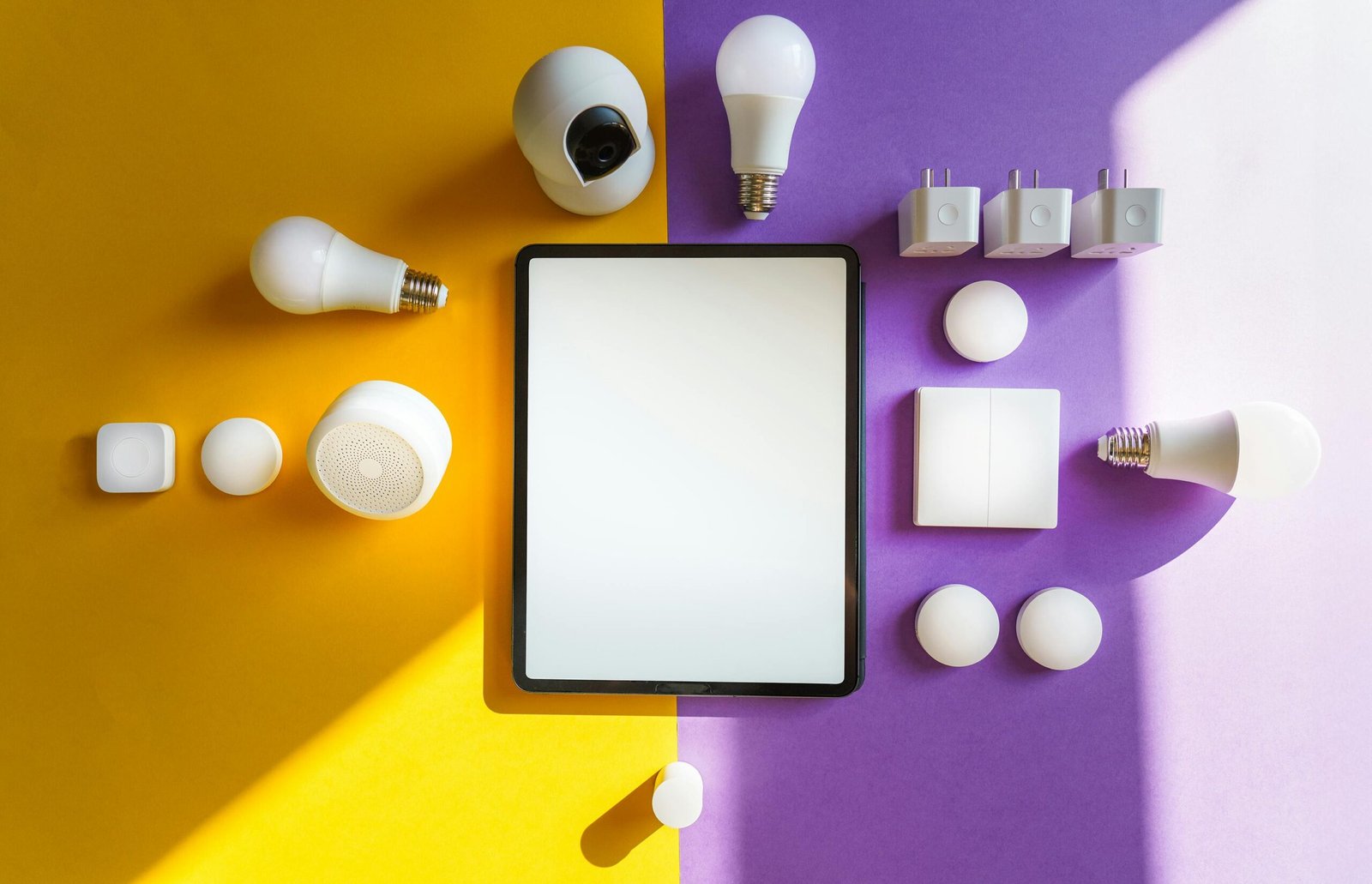
In today’s fast moving digital world, have become an essential part of everyday life. From the moment we wake up until we go to bed, we rely on smart devices to communicate, work, learn, and entertain ourselves.Its is no longer just a small electronic tool; it is a powerful innovation that simplifies tasks and improves productivity. Whether it is a smartphone, smartwatch, laptop, tablet, or wireless earbuds, modern gadgets help us stay connected and organized.
From basic calculators to advanced smart devices, gadgets have changed the way humans interact with technology. They are designed to make life easier, more productive, and more convenient. With continuous improvements, modern gadgets offer enhanced performance, better connectivity, and user-friendly features.
They save time, enhance efficiency, and provide instant access to information. Businesses, students, professionals, and families all depend on gadgets for different purposes. As technology continues to evolve, gadgets are becoming smarter, faster, and more advanced, transforming the way we live, work, and interact with the world around us.
ITS is a small electronic device designed to perform a specific function in a simple and efficient way. Over the past few decades, gadgets have evolved rapidly due to advancements in technology, artificial intelligence, and digital innovation. Today, gadgets play a major role in communication, education, entertainment, healthcare, and business.
Understanding gadgets helps us appreciate their importance in daily life and how they shape the future of technology.its are more than just electronic devices; they represent innovation, creativity, and technological progress. Every year, new and improved gadgets enter the market, offering smarter solutions for everyday challenges. From fitness tracking devices to smart home systems, gadgets are transforming homes, offices, and industries worldwide.
In this article, we will explore the meaning of gadgets, their types, benefits, uses, challenges, and future trends. By understanding how gadgets work and how they impact our lives, we can make better decisions when choosing and using them.
What is a Gadget
Its is a small electronic device designed to perform a specific task in a simple, efficient, and convenient way. Gadgets are usually powered by modern technology and often include advanced features that make daily activities easier. They are widely used for communication, entertainment, education, business, and personal productivity.
Common examples of gadgets include smartphones, laptops, tablets, smartwatches, wireless headphones, and fitness trackers. These devices help people stay connected, access information, and manage tasks quickly. Many modern gadgets are also connected to the internet, allowing users to enjoy features such as online browsing, video calls, social media, and cloud storage.
Its are designed to save time and improve efficiency in everyday life. With continuous technological advancements, they are becoming smarter, faster, and more user-friendly. Overall, a gadget is a practical tool that supports modern living and plays an important role in today’s digital world.
Examples of popular gadgets include:
- Smartphones
- Smartwatches
- Laptops
- Tablets
- Wireless headphones
- Fitness trackers
These devices help people communicate, work, learn, and stay entertained.
Evolution of Gadgets
The evolution of its reflects the rapid growth of technology over the years. In the early days, gadgets were simple electronic devices such as radios, basic calculators, and landline telephones. These tools were helpful but had limited features and functions. As technology advanced, digital innovation introduced more powerful and compact devices.
With the arrival of the internet and mobile technology, gadgets became smarter and more connected. The introduction of smartphones transformed communication by combining calling, messaging, photography, and internet access in one device. Later, devices like tablets, smartwatches, and wireless headphones further improved convenience and portability.
Today, modern its include artificial intelligence features, touchscreens, voice assistants, and cloud connectivity, making them highly advanced. They are designed to improve productivity, entertainment, and communication. The continuous development of technology ensures that gadgets will keep evolving, becoming more efficient, intelligent, and integrated into everyday life.
Early Electronic Devices
Early electronic devices were simple tools designed to perform basic functions. Examples include radios, landline telephones, calculators, and televisions. These devices improved communication and entertainment but had limited features. They laid the foundation for modern technology and inspired the development of advanced digital gadgets we use today.
Digital Revolution
The Digital Revolution transformed the world by introducing computers, the internet, and mobile technology. It made communication faster, information easily accessible, and tasks more efficient. This revolution led to the development of smart devices, online services, and advanced gadgets that changed how people live, work, and interact globally.
Smart Technology Era
The Smart Technology Era is defined by advanced devices powered by artificial intelligence, automation, and internet connectivity. Modern gadgets include smart features like voice control and real-time updates. These innovations improve convenience, productivity, and communication, making daily life more efficient, connected, and digitally enhanced.
Types of Gadgets
There are many different types of its, each designed to perform specific functions and improve daily life. One major category is communication gadgets, such as smartphones and tablets, which help people stay connected through calls, messages, and the internet. Another important type is entertainment gadgets, including televisions, gaming consoles, and music players, which provide relaxation and enjoyment.

Wearable gadgets, such as smartwatches and fitness trackers, monitor health, track physical activity, and display notifications. Home gadgets like smart speakers, security cameras, and smart appliances make homes more convenient and secure. In addition, business gadgets such as laptops, printers, and projectors support professional work and productivity.
Each type of its serves a unique purpose, but all are designed to simplify tasks and enhance efficiency. With continuous technological advancements, gadgets are becoming smarter, faster, and more useful in modern life.
1. Communication Gadgets
Communication its help people stay connected easily and quickly. Devices like smartphones, tablets, and laptops allow users to make calls, send messages, and join video meetings. These gadgets improve personal and professional communication, making it simple to share information and stay connected anywhere in the world.
2. Entertainment Gadgets
Entertainment gadgets are devices designed to provide enjoyment, relaxation, and fun. Examples include televisions, gaming consoles, music players, and streaming devices. These gadgets allow users to watch movies, play games, listen to music, and enjoy online content. They help people relax and spend quality leisure time.
3. Smart Wearable Gadgets
Smart wearable gadgets are devices that can be worn on the body, such as smartwatches and fitness trackers. They monitor health, track steps, measure heart rate, and show notifications. These gadgets help users stay active, informed, and connected while maintaining convenience in daily life.
4. Home Gadgets
Home gadgets are smart devices that make daily household tasks easier and more convenient. Examples include smart speakers, security cameras, smart lights, and home appliances. These gadgets improve comfort, safety, and efficiency, helping families manage their homes in a modern and organized way.
5. Business Gadgets
Business gadgets help professionals improve productivity and communication at work. Devices such as laptops, printers, projectors, and smartphones support meetings, presentations, and data management. These tools make tasks faster and more efficient, helping businesses stay organized, connected, and competitive in today’s digital environment.
Benefits of Using Gadgets
The benefits of using gadgets are significant in modern life. its help improve communication by allowing people to make calls, send messages, and attend video meetings instantly. This keeps families, friends, and colleagues connected, even across long distances. They also increase productivity, as devices like laptops and smartphones help users complete work tasks efficiently and manage time effectively.
Another major benefit is access to information and education. Through the internet, gadgets provide unlimited learning resources, online courses, and research materials. In addition, gadgets offer entertainment, including movies, music, games, and streaming platforms, which help people relax after a busy day.
Gadgets also support business growth, enabling companies to promote products, communicate with customers, and manage operations smoothly. With advanced features such as artificial intelligence and smart connectivity, modern gadgets make daily life more convenient, organized, and efficient for individuals and organizations alike.
1. Improved Communication
Improved communication is one of the main benefits of gadgets. Devices like smartphones, tablets, and laptops allow people to make calls, send messages, and join video meetings instantly. This helps families, friends, and businesses stay connected easily, regardless of distance, making communication faster and more efficient.
2. Increased Productivity
Increased productivity is a major benefit of using gadgets. Devices like laptops, smartphones, and tablets help people complete tasks quickly and efficiently. They support work, study, and communication, allowing better time management and organization. With modern tools, individuals can achieve more in less time every day.
3. Access to Information
Access to information is one of the greatest advantages of gadgets. With internet-enabled devices like smartphones and laptops, users can quickly search for news, research topics, and educational resources. This easy access helps people learn new skills, stay informed, and expand their knowledge anytime and anywhere.
4. Entertainment and Relaxation
Entertainment and relaxation are important benefits of gadgets. Devices like smartphones, tablets, and televisions allow users to watch movies, play games, listen to music, and stream online content. These activities help reduce stress, improve mood, and provide enjoyable leisure time after work or study.
5. Smart Lifestyle
A smart lifestyle is possible with modern gadgets that make daily tasks easier and more organized. Devices like smartwatches, home assistants, and connected appliances improve convenience and efficiency. These technologies help manage time, monitor health, and control home systems, creating a comfortable and advanced living experience.
Gadgets in Education
its play an important role in modern education by making learning more interactive, accessible, and efficient. Devices such as laptops, tablets, smartphones, and smart boards help students and teachers connect with digital learning resources easily. With the help of the internet, students can access online classes, educational videos, e-books, and research materials from anywhere in the world.
During recent years, online learning platforms have become very popular. Gadgets allow students to attend virtual classrooms, submit assignments, and communicate with teachers in real time. This flexibility supports both remote learning and classroom-based education. Teachers also use gadgets to create presentations, share notes, and explain lessons through multimedia tools, making subjects more engaging and easier to understand.
In addition, gadgets help students develop important digital skills that are necessary for future careers. They encourage independent learning, creativity, and collaboration through group projects and online discussions.
Overall, gadgets have transformed the education system by improving access to knowledge, enhancing communication, and supporting modern teaching methods. When used responsibly, they greatly contribute to better learning outcomes and academic success.
Gadgets in Business
its play an important role in modern education by making learning more interactive, accessible, and efficient. Devices such as laptops, tablets, smartphones, and smart boards help students and teachers connect with digital learning resources easily. With the help of the internet, students can access online classes, educational videos, e-books, and research materials from anywhere in the world.
During recent years, online learning platforms have become very popular. Gadgets allow students to attend virtual classrooms, submit assignments, and communicate with teachers in real time. This flexibility supports both remote learning and classroom-based education. Teachers also use gadgets to create presentations, share notes, and explain lessons through multimedia tools, making subjects more engaging and easier to understand.
In addition, gadgets help students develop important digital skills that are necessary for future careers. They encourage independent learning, creativity, and collaboration through group projects and online discussions.
Overall, gadgets have transformed the education system by improving access to knowledge, enhancing communication, and supporting modern teaching methods. When used responsibly, they greatly contribute to better learning outcomes and academic success.
Challenges of Gadgets
Although its offer many benefits, they also come with several challenges. One major issue is excessive usage, which can lead to digital addiction and reduce face-to-face communication. Spending too much time on devices may affect productivity, health, and personal relationships. Another challenge is privacy and security risks, as personal data stored on gadgets can be vulnerable to hacking or misuse if proper security measures are not taken.
Additionally, some advanced gadgets can be expensive, making them less accessible to everyone. Rapid technological changes also mean that devices can become outdated quickly, requiring frequent upgrades. This may create financial pressure for users. Gadgets can also cause eye strain, poor posture, and lack of physical activity if used for long periods without breaks.
Therefore, while gadgets improve convenience and efficiency, it is important to use them responsibly and maintain a healthy balance in daily life.
Overuse and Dependency
Overuse and dependency on gadgets can negatively affect daily life. Spending too much time on devices may reduce physical activity, social interaction, and productivity. It can also lead to digital addiction and distraction. Maintaining balance ensures gadgets remain helpful tools instead of becoming a harmful habit.
Privacy and Security Risks
Privacy and security risks are common challenges of using gadgets. Personal data stored on devices can be exposed to hackers or cyber threats if not protected properly. Using strong passwords, enabling security settings, and avoiding suspicious links helps keep information safe and secure in the digital world.
Cost
The cost of gadgets can be a major challenge for many users. Advanced devices with modern features are often expensive. Regular upgrades and repairs may also increase expenses. Choosing gadgets wisely according to needs and budget helps manage costs while still enjoying useful technology benefits.
Frequent Updates
Frequent updates are necessary to keep gadgets running smoothly and securely. However, regular software updates can take time, use internet data, and sometimes change features. While updates improve performance and security, users may find them inconvenient if they happen often or require additional storage space.
How to Choose the Right Gadget
Choosing the right gadget depends on your needs, budget, and usage purpose. First, clearly identify why you need the device whether for work, education, entertainment, or communication. Next, compare important features such as performance, battery life, storage capacity, and durability. Reading user reviews and expert opinions can help you understand the product’s quality. It is also important to consider the brand reputation and warranty support. Finally, select a gadget that fits your budget while meeting your requirements. Making a thoughtful decision ensures better performance, long-term value, and satisfaction with your purchase.
1. Identify Your Needs
Before buying a gadget, clearly identify your needs and purpose. Decide whether you need it for work, study, communication, or entertainment. This helps you choose the most suitable device wisely.
2. Check Features
When choosing a gadget, carefully check its features and specifications. Compare performance, battery life, storage, camera quality, and durability. Selecting the right features ensures better functionality, long-term use, and satisfaction according to your needs and budget.
3. Consider Budget
When choosing a gadget, always consider your budget. Select a device that offers the best features within your price range. Avoid overspending and compare options carefully to get good value, quality, and long-term satisfaction without financial pressure.
4. Read Reviews
Before purchasing a gadget, always read customer reviews and ratings. Reviews help you understand real user experiences, product quality, performance, and reliability. This information supports better decision-making and ensures satisfaction with your chosen device.
Future of Gadgets
The future of gadgets looks highly innovative and technology-driven. As advancements in artificial intelligence (AI), machine learning, and automation continue, gadgets will become smarter, faster, and more efficient. Future devices will be able to understand user preferences, predict needs, and provide personalized experiences. This will make daily tasks easier and more convenient.
In the coming years, wearable technology is expected to improve significantly. Smartwatches and health-monitoring devices may offer advanced features such as real-time health tracking, early disease detection, and improved fitness analysis. Similarly, smart home gadgets will become more integrated, allowing users to control lighting, security systems, and appliances through voice commands or mobile applications.
Another major development will be enhanced connectivity and faster internet speeds, which will improve device performance and communication. Gadgets will also focus more on energy efficiency and sustainability, reducing environmental impact.
Security and privacy features will continue to improve, ensuring better protection of personal data. Overall, the future of gadgets promises greater innovation, smarter functionality, and deeper integration into everyday life, making technology even more essential in homes, workplaces, and education.
Frequently Asked Questions
What is a gadget?
A small electronic device designed to perform specific tasks efficiently.
What are common examples of gadgets?
Smartphones, laptops, tablets, smartwatches, and headphones.
Why are gadgets important?
They improve communication, productivity, and daily convenience.
Are gadgets expensive?
Some are affordable, while advanced models can be costly.
What is the future of gadgets?
They will become smarter with AI, automation, and better connectivity.
Conclusion
In conclusion, gadgets have become an essential part of modern life, transforming the way people communicate, learn, work, and enjoy entertainment. From simple early electronic devices to today’s advanced smart technology, gadgets have evolved significantly and continue to improve every year. They provide convenience, efficiency, and instant access to information, making daily tasks easier and more organized. Whether in education, business, healthcare, or home management, gadgets play a powerful role in enhancing productivity and connectivity.
The benefits of gadgets are clear. They improve communication, support online learning, increase work efficiency, and offer endless entertainment options. Smart devices such as smartphones, laptops, tablets, and wearable technology have changed how individuals interact with the world. They help people stay connected globally and allow businesses to grow in the digital marketplace. With continuous innovation, gadgets are becoming more intelligent, user-friendly, and environmentally efficient.
However, it is also important to recognize the challenges associated with gadget usage, such as overuse, privacy concerns, high costs, and frequent updates. Responsible and balanced use ensures that gadgets remain helpful tools rather than distractions. Practicing healthy digital habits, protecting personal information, and managing screen time can help maintain a positive relationship with technology.
Looking ahead, the future of gadgets is promising, with advancements in artificial intelligence, automation, and smart connectivity shaping the next generation of devices. These innovations will further improve comfort, productivity, and global communication.
Overall, gadgets are powerful technological tools that support progress and modern living. When used wisely, they enhance quality of life and contribute to a more connected, efficient, and innovative world.