

AIS Login A Complete Guide to Secure and Smart Access
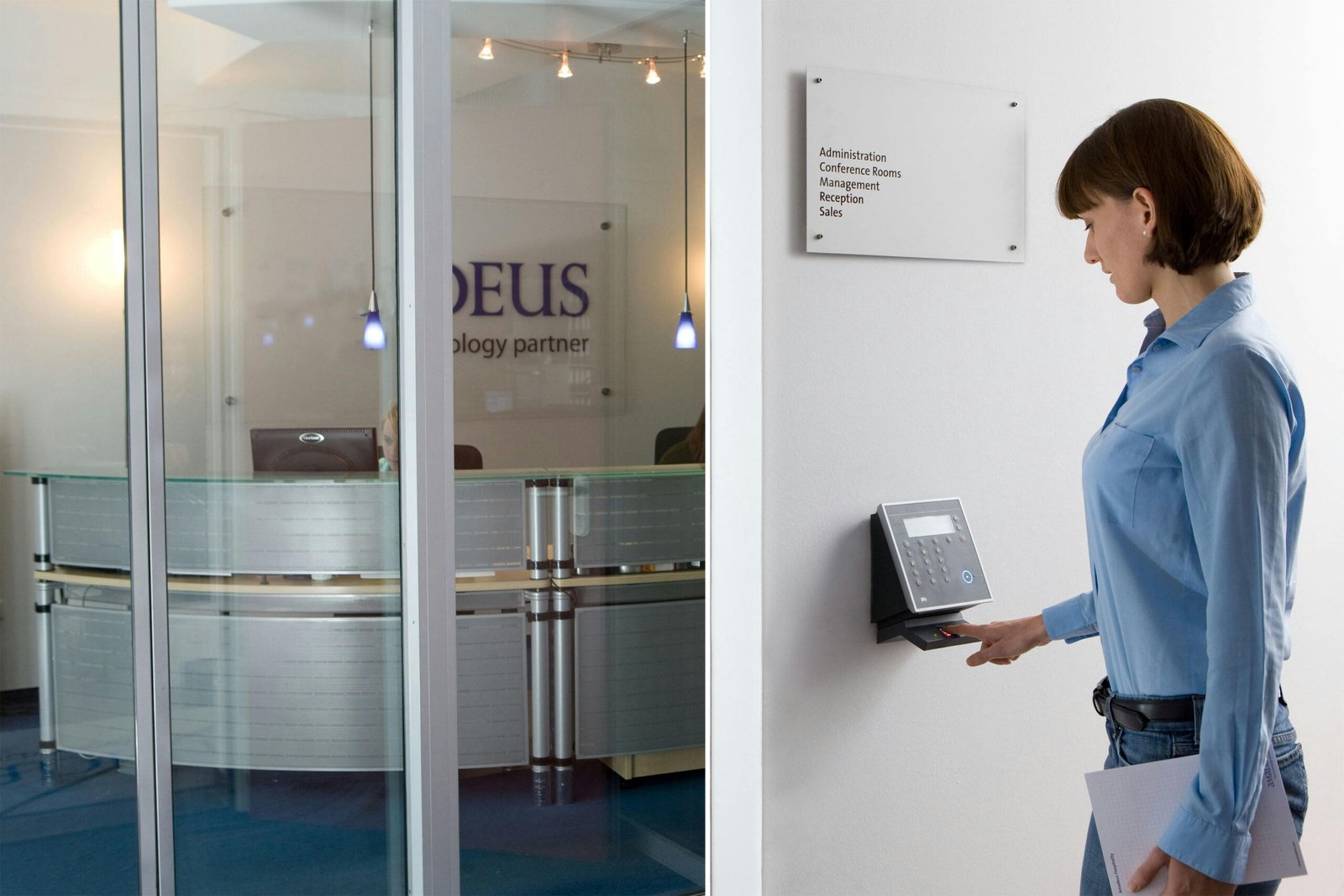
A secure login system is the backbone of any digital platform. Without it, sensitive information becomes vulnerable to breaches and misuse. AIS login ensures that users can access relevant data while protecting confidential records.
Keep reading to understand how AIS login enhances security, improves user experience, and supports efficient academic management. Whether you are an administrator, teacher, or student, mastering AIS login processes will make your digital interactions smoother and safer.
In today’s digital-first world, access to information must be fast, secure, and reliable. Whether you are a student checking academic records, a teacher managing coursework, or an administrator handling institutional data, the login system becomes your gateway to productivity. This is where AIS Login plays a vital role. It is more than just entering a username and password it is about secure authentication, data protection, and seamless user experience.

Many organizations now depend on Academic Information Systems to centralize records, communication, and performance tracking. However, without a smooth login system, even the most advanced platform loses efficiency. A well-structured AIS login ensures that users access only authorized information while maintaining strong privacy standards.
Understanding how AIS login works, its benefits, challenges, and best practices can help users maximize efficiency and security. Let’s explore everything you need to know.
The term AIS Login refers to the authentication process used in an Academic Information System (AIS). This system allows authorized users to securely access academic data, student records, attendance, examination results, and administrative tools.
Modern institutions rely heavily on digital platforms to manage operations. AIS login acts as the first security checkpoint, ensuring that only verified users can enter the system. By using unique credentials such as usernames, passwords, and sometimes multi-factor authentication (MFA), AIS login strengthens institutional data protection.
With digital transformation accelerating, secure login systems have become more important than ever. AIS login is not only about convenience but also about maintaining compliance with privacy standards and preventing unauthorized access.
A secure login system is the backbone of any digital platform. Without it, sensitive information becomes vulnerable to breaches and misuse. AIS login ensures that users can access relevant data while protecting confidential records.
Keep reading to understand how AIS login enhances security, improves user experience, and supports efficient academic management. Whether you are an administrator, teacher, or student, mastering AIS login processes will make your digital interactions smoother and safer.
How AIS Login Works
The AIS Login system is designed to provide secure, structured, and role-based access to academic platforms. It ensures that only authorized users can access sensitive information such as student records, attendance data, grades, and administrative reports. Below is a clear explanation of how the process works:
1. User Credential Entry
The process begins when a user enters their username and password on the AIS login page. These credentials are unique and assigned during registration.
2. Secure Authentication
The system verifies the entered details through an encrypted database. If the credentials match the stored records, authentication is approved.
3. Multi-Factor Verification (Optional)
For additional protection, many systems use OTP verification, biometric authentication, or security questions to confirm identity.
4. Role-Based Access Control
Once verified, the system grants access based on the user’s role—student, teacher, or administratorensuring limited and relevant access.
5. Session Monitoring
The system monitors user activity and may automatically log out inactive sessions to maintain security.
Through these structured steps, AIS login ensures data protection, efficiency, and secure digital access for all users.
Key Features of AIS Login
The AIS Login system is designed to provide secure, reliable, and role-based access to academic platforms. Its advanced features ensure both protection and convenience for users.
1. Advanced Encryption Security
All login credentials are protected through secure encryption protocols, preventing unauthorized access and data breaches.
2. Role-Based Access Control
AIS login grants access based on user roles such as students, teachers, and administrators, ensuring controlled information visibility.
3. Multi-Factor Authentication (MFA)
For added protection, the system may require OTP verification, biometric authentication, or security questions.
4. Password Recovery System
Users can easily reset forgotten passwords through registered email or mobile verification, reducing downtime.
5. Session Timeout Protection
Automatic logout after inactivity protects accounts from misuse on shared devices.
6. Login Activity Monitoring
The system tracks login history and detects suspicious activities to enhance security.
7. Mobile-Friendly Access
AIS login works smoothly on smartphones, tablets, and desktops, ensuring flexible accessibility.
8. User-Friendly Interface
A clean and simple design allows users to log in quickly without technical difficulties.
These features make AIS login a secure and efficient gateway to academic information systems.
Benefits of AIS Login
The AIS Login system offers multiple advantages that improve both security and operational efficiency within academic institutions. It acts as a secure gateway, ensuring smooth and controlled access to important data.
1. Enhanced Data Security
AIS login protects sensitive information through encryption, authentication protocols, and role-based access control, reducing the risk of data breaches.
2. Controlled Access Management
Different users, students, teachers, and administrators receive access only to relevant sections, ensuring privacy and accountability.
3. Improved Efficiency
Quick and secure login processes save time, allowing users to access academic records, attendance, and reports instantly.
4. Remote Accessibility
Users can log in from any location and device, supporting flexible and digital learning environments.
5. Reduced Administrative Work
Automated authentication minimizes manual verification, streamlining institutional workflows.
6. Real-Time Monitoring
Login tracking helps detect suspicious activity, improving overall system reliability.
Overall, AIS login strengthens digital security, user convenience, and institutional transparency, making it an essential component of modern academic systems.
Common Issues and Solutions
Even though the AIS Login system is designed for smooth and secure access, users may occasionally face technical challenges. Understanding these issues and their solutions helps ensure uninterrupted access to academic services.

1. Incorrect Username or Password
Issue: Login fails due to wrong credentials.
Solution: Double-check spelling, ensure Caps Lock is off, or use the “Forgot Password” option to reset credentials securely.
2. OTP Not Received
Issue: One-Time Password does not arrive on registered email or phone.
Solution: Check network connectivity, verify registered contact details, or request OTP again after a few minutes.
3. Account Locked
Issue: Multiple failed login attempts lock the account.
Solution: Wait for the automatic unlock period or contact the institution’s IT support for assistance.
4. Browser Compatibility Problems
Issue: Login page not loading properly.
Solution: Clear browser cache, update the browser, or switch to a recommended browser version.
5. Slow System Performance
Issue: Delays during login or dashboard loading.
Solution: Ensure stable internet connection and close unnecessary background applications.
By addressing these common issues promptly, users can maintain a secure, smooth, and reliable AIS login experience.
Best Practices for Secure AIS Login
- Use strong passwords with letters, numbers, and symbols.
- Enable multi-factor authentication whenever available.
- Avoid using public Wi-Fi for login.
- Regularly update passwords.
- Log out after each session.
Challenges in AIS Login Systems
While AIS login systems are designed to provide secure and efficient access to academic information, they are not without challenges. One of the most common issues is security vulnerability. Educational institutions store sensitive student and staff data, making AIS portals a potential target for cyberattacks such as phishing or brute-force attempts. Without strong encryption and multi-factor authentication, login systems can be exposed to risks.
Another significant challenge is password management. Users often forget their credentials, leading to frequent password reset requests and increased workload for IT departments. Weak passwords also create security gaps that hackers can exploit.
Technical compatibility issues are another concern. Some users may face login errors due to outdated browsers, incompatible devices, or poor internet connectivity, especially in remote areas.
Additionally, system overload during peak times such as exam result announcements or course registration periods can slow down the login process or temporarily crash the portal.
Finally, maintaining data privacy compliance with institutional and legal regulations requires continuous monitoring and updates.
Addressing these challenges requires advanced security measures, regular system upgrades, and user awareness training to ensure a smooth and protected AIS login experience.
Future of AIS Login Systems
The future of AIS login systems is set to evolve with the increasing demand for secure, efficient, and intelligent access to academic platforms. Traditional login methods using usernames and passwords are gradually being enhanced with advanced authentication technologies such as biometric verification, facial recognition, and multi-factor authentication (MFA). These innovations will significantly reduce the risk of unauthorized access and data breaches, making academic data more secure than ever.
Another key trend is integration with artificial intelligence (AI) and machine learning (ML). AI-powered AIS systems can analyze login patterns, detect suspicious activity, and prevent potential cyberattacks in real time. This predictive security will ensure that sensitive student and faculty data remain protected while providing a smoother user experience.
Additionally, mobile and cloud-based AIS login systems are becoming more prevalent, allowing students, teachers, and administrators to access their accounts from any device, anywhere, at any time. This flexibility enhances the digital learning environment and supports remote education initiatives.
Finally, the use of single sign-on (SSO) solutions and blockchain-based identity verification may become standard, reducing password fatigue and ensuring tamper-proof data management. The future of AIS login systems promises greater security, convenience, and adaptability, aligning with the evolving needs of modern educational institutions.
Frequently Asked Questions
What is AIS login?
Secure access gateway to academic systems.
Is AIS login safe?
Yes, it uses encryption and authentication.
Can I reset my AIS password?
Yes, via email or OTP recovery option.
Why is my AIS account locked?
Multiple failed login attempts trigger lock.
Does AIS support mobile access?
Yes, it works on smartphones and tablets.
Conclusion
The AIS Login system is a cornerstone of modern academic platforms, providing secure and efficient access to sensitive information for students, faculty, and administrators. By implementing robust authentication methods, role-based access control, and encryption, AIS login ensures that only authorized users can access relevant data, maintaining privacy and integrity. Its features, including multi-factor authentication, mobile compatibility, and session monitoring, make it both secure and user-friendly.

Beyond security, AIS login enhances operational efficiency. Quick access to academic records, attendance, exam results, and administrative tools saves time for users and reduces the burden on IT departments. Institutions can also track login activity, detect suspicious behavior, and prevent unauthorized access, further strengthening data protection measures.
Looking forward, the evolution of AIS login systems promises even greater security and convenience. Innovations such as biometric authentication, AI-driven threat detection, single sign-on (SSO), and cloud integration are shaping a future where users can access their accounts seamlessly from any device, without compromising safety.
For educational institutions, adopting advanced AIS login practices ensures compliance with data privacy regulations while fostering a reliable digital environment. For users, following best practices like strong passwords, multi-factor authentication, and careful account monitoring helps maintain security. Ultimately, AIS login is not just a technical process it is a vital gateway that safeguards academic information, enhances user experience, and supports the digital transformation of modern education.