

Laptop Scheme: Empowering Digital Education and Youth

The Laptop Scheme is a government or institutional initiative aimed at supporting students and young professionals by providing affordable or free laptops. These schemes focus on improving digital literacy, enhancing online education, and promoting economic growth. In countries like Pakistan, laptop schemes have become a symbol of educational empowerment. They encourage students to adopt technology, perform better academically, and prepare for a competitive digital economy.
The importance of a Laptop Scheme goes far beyond giving away devices. It represents hope, progress, and equal opportunity. When students receive laptops, they gain access to online courses, research materials, freelancing platforms, and global communication tools. This not only improves their academic performance but also builds confidence and independence. In a world where remote work and online learning are growing fast, laptop schemes ensure that no talented mind is left behind due to financial limits.

In today’s fast-moving digital world, access to technology is no longer a luxury, it is a necessity. Students, freelancers, and young professionals all rely on laptops to learn, earn, and grow. Unfortunately, many talented individuals are held back simply because they cannot afford the right tools. This is where the Laptop Scheme plays a powerful role. Designed to reduce the digital divide, laptop schemes help students and youth step confidently into the modern world.
Objectives of the Laptop Scheme
The primary objective of the Laptop Scheme is to promote digital inclusion and ensure equal access to technology for all students. By providing laptops, these programs help improve access to education, especially for students who cannot afford digital devices. This enables learners to study online, complete assignments, and access educational resources without limitations.
Another important goal is to encourage research and innovation. With laptops, students can explore digital libraries, academic journals, and research tools that support critical thinking and creativity. The scheme also aims to support online learning platforms, making virtual education more effective and widely accessible.
Preparing youth for modern job markets is another key objective. Laptops allow students to develop essential digital and technical skills required in today’s competitive economy. Additionally, the scheme works to reduce the technology gap between rich and poor, promoting social equality. By achieving these objectives, laptop schemes contribute to long-term national development and progress.
Who Can Benefit from the Laptop Scheme?
The Laptop Scheme is designed to support individuals who show talent, dedication, and potential but lack access to modern technology. University students with strong academic records are often the primary beneficiaries, as laptops help them in research, online learning, and academic projects. College students enrolled in technical and professional programs also gain great value, as their fields require constant use of digital tools and software.
In addition, freelancers and IT learners benefit significantly from laptop schemes. A laptop allows them to learn new digital skills, work on online platforms, and earn income remotely. The scheme also focuses on underprivileged yet talented youth, ensuring that financial limitations do not stop them from achieving their goals.
Eligibility is usually based on merit, financial need, and enrollment in a recognized institution, ensuring fair and transparent distribution to deserving candidates.
Educational Impact of Laptop Schemes
The educational impact of laptop schemes is significant and long-lasting. By providing students with laptops, these programs improve the quality of learning and make education more accessible. Students gain easy access to e-books, online lectures, digital libraries, and research journals, allowing them to study beyond traditional textbooks. This access encourages independent learning and deeper understanding of subjects.
Laptops also enable students to attend virtual classes, participate in online discussions, and submit assignments digitally. This saves time, improves organization, and strengthens time management skills. Through online collaboration tools, students can work on group projects with classmates and even connect with learners from other countries, building global exposure.
In addition, regular use of technology improves technical and digital skills, which are essential in today’s job market. Students become more confident in using software, conducting research, and presenting ideas. As a result, they become more skilled, competitive, and prepared for higher education and professional careers.
Role in Digital Skills and Freelancing
Laptop schemes play a powerful role in developing digital skills and freelancing opportunities for young people. With access to a laptop, students can learn valuable skills such as graphic design, content writing, programming, video editing, and digital marketing through online courses and tutorials. These skills are in high demand in the global market.
A laptop also allows youth to work on freelancing platforms, communicate with international clients, and manage projects remotely. Many students begin earning online while continuing their studies, which helps them support their families and reduce financial pressure. This early exposure to real-world work builds confidence, professionalism, and independence.
Furthermore, freelancing contributes positively to the national economy by bringing foreign income into the country. Laptop schemes, therefore, transform laptops from simple learning devices into tools of financial independence. By empowering youth with technology and skills, these schemes help create a self-reliant and digitally skilled workforce ready for the future.
Economic and Social Benefits
On a broader level, laptop schemes contribute significantly to economic growth and social development. By equipping students with modern technology, these programs help create a skilled digital workforce capable of meeting global demands. Tech-trained youth can work with international clients, attract foreign investment, and support the growth of the digital economy. This increases national income and reduces unemployment.
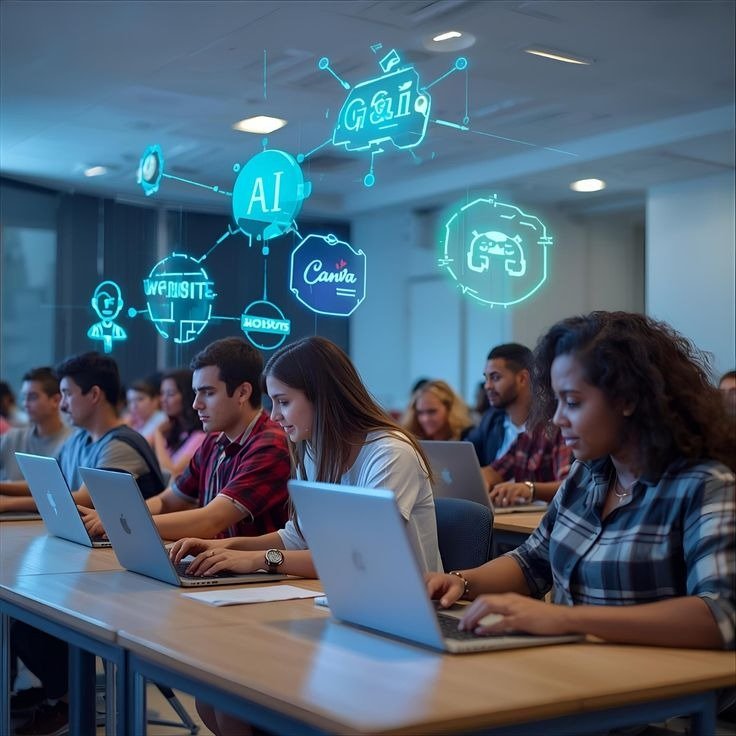
From a social perspective, laptop schemes promote equality and social inclusion. Students from underprivileged backgrounds gain the same learning opportunities as others, which builds confidence and self-belief. Access to technology encourages innovation, creativity, and problem-solving skills.
Educated and tech-savvy youth are more likely to become entrepreneurs, leaders, and change-makers in society. They use technology to solve real-world problems and create new opportunities. Overall, laptop schemes strengthen both the economy and social structure, leading to a more balanced and progressive society.
Challenges Faced by Laptop Schemes
Despite their many advantages, laptop schemes face several practical challenges that limit their full potential. One major issue is limited budget and resources, which restrict the number of laptops distributed and often exclude deserving students. Another serious challenge is the lack of reliable internet access, especially in rural and remote areas, where students cannot fully benefit from digital learning tools.
Improper distribution systems also create problems, including delays, favoritism, or lack of transparency. This reduces trust in the program and prevents laptops from reaching the most deserving candidates. Additionally, many beneficiaries lack proper training and technical support, making it difficult for them to use laptops effectively for learning or freelancing.
Addressing these challenges through better planning, transparent policies, internet expansion, and skill training programs can greatly improve outcomes. With the right solutions, laptop schemes can become more effective, fair, and impactful for students and society.
Future of Laptop Schemes
Addressing existing challenges can make laptop schemes more effective and impactful in the long run. Issues such as limited funding, weak distribution systems, and lack of internet access must be handled through better planning and transparency. When resources are managed properly, laptops can reach truly deserving students, especially those in remote and underdeveloped areas.
The future of the Laptop Scheme looks highly promising as digital education continues to grow. By strengthening digital infrastructure and ensuring stable internet connectivity, governments can maximize the benefits of these programs. Adding training workshops on computer usage, freelancing, and digital skills can further improve outcomes. This helps students not only own a laptop but also use it effectively.
Moreover, partnerships with educational institutions and technology companies can enhance quality and sustainability. A well-designed laptop scheme empowers youth, boosts innovation, and supports economic growth. Ultimately, a smarter laptop scheme leads to a smarter, more competitive nation ready for the digital future.
Frequently Asked Questions
What is a laptop scheme?
A program that provides laptops to students to support education, skills, and digital learning growth.
Who is eligible for laptop schemes?
Usually students with merit, enrollment in institutions, and sometimes financial need criteria.
Are laptop schemes free?
Some schemes are free, while others offer laptops at subsidized or easy installment rates.
How does a laptop help students?
It enables online learning, research, freelancing, skill development, and better academic results.
Do laptop schemes support freelancing?
Yes, they help youth learn digital skills and earn online through global freelancing platforms.
Conclusion
The Laptop Scheme is not just a short-term support program; it is a long-term investment in national progress. By providing students with access to modern technology, these schemes help build a knowledge-based society where learning is no longer limited to classrooms. A laptop gives students the power to explore online education, conduct research, develop digital skills, and connect with global opportunities. This access boosts confidence, encourages innovation, and prepares youth for the challenges of the modern job market.

Moreover, laptop schemes play a vital role in promoting economic stability. Skilled and tech-aware students are more likely to secure employment, start freelancing, or launch their own businesses. This reduces unemployment and strengthens the overall economy. Socially, such schemes promote equality by giving underprivileged students the same opportunities as others.
For countries aiming to succeed in the digital age, expanding and improving laptop schemes is essential. With proper planning, transparency, and support, these initiatives can transform lives and shape a stronger, smarter, and more prosperous future.
laptop into leaders. For nations aiming to progress in the digital age, strengthening and expanding laptop schemes is not an option, it is a necessity.