

KNX Intelligent Lighting System

In today’s world, smart homes and intelligent buildings are no longer dreams of the future, they are a reality. With rapid advancements in technology, people are shifting toward systems that make life easier, safer, and more energy-efficient. One such powerful system is the KNX Intelligent Lighting System. Whether you are an architect, builder, homeowner,KNX Intelligent Lighting System or technology enthusiast, understanding KNX can help you make informed decisions that improve comfort, safety, and efficiency.
This article will explain what a KNX intelligent lighting system is, how it works, its benefits, real-world applications, and practical tips for installation and use.
What is a KNX Intelligent Lighting System?
A KNX intelligent lighting system is a smart lighting network that allows lights and electrical devices to work together in a coordinated and automated way. KNX stands for KNX Intelligent Lighting System Konnex, which is a standardized control system used worldwide for building automation.
Unlike traditional lighting systems, which rely on simple switches and fixed wiring, KNX systems use digital communication between devices. This means lights can be controlled not KNX Intelligent Lighting System only by switches but also via sensors, smartphones, voice assistants, schedules, and more.
In essence, KNX helps make lighting more flexible, smarter, and energy-efficient.
Why Intelligent Lighting Matters
Lighting is one of the most essential parts of any space, residential, KNX Intelligent Lighting System commercial, or industrial. But traditional lighting systems often fall short in several areas:
- They consume more energy than necessary.
- They lack automation and adaptive control.
- They cannot respond to real-time conditions, such as motion or daylight.
- They offer limited personalization.
An intelligent lighting system solves these limitations by making control dynamic, automatic, and customizable.
How KNX Lighting Works
A KNX lighting system uses a bus network, where multiple devices KNX Intelligent Lighting System communicate through a common cable. Think of it like a conversation between devices switches, sensors, and actuators all talking to each other.
Step-by-Step Overview
Input Devices
These include switches, sensors, and remote controls. They send signals.
Bus Cable
This is the communication channel carrying signals between devices.
Actuators / Controllers
These receive signals and perform actions like turning lights on/off or dimming.
Software Programming
The system must be programmed to define how devices behave.
Once set up, the system can automate lighting based on:
- Time of day
- Sunlight levels
- Motion detection
- Occupancy
- User preferences
This makes lighting responsive and smarter at all times.
Core Components of a KNX Lighting System
Below are the key components used in a KNX smart lighting setup:
1. KNX Bus Cable
Instead of traditional wiring, KNX uses a bus cable for communication. All devices KNX Intelligent Lighting System connect to this cable and send data through it.
2. Input Devices
These include:
- Wall switches
- Touch panels
- Motion sensors
- Light sensors
- Presence detectors
3. Actuators
These are devices that control power to lights based on commands from the system.
Examples:
- Switching actuators
- Dimming actuators
- Relay actuators
4. KNX Power Supply
This provides power to the bus network and ensures stable communication between devices.
5. Control Software
This is where designers program how the system should work. Popular software for KNX is ETS (Engineering Tool Software).
Key Benefits of KNX Intelligent Lighting
Here’s why KNX lighting systems are becoming popular across the world:
1. Energy Efficiency
KNX systems can reduce lighting energy use by up to 50% or more by adapting light levels based on actual need.
2. Comfort and Convenience
No need to manually switch lights every time. The system does it automatically.
3. Greater Control
Users can control lights through:
- Mobile apps
- Voice assistants
- Schedules
- Sensors
4. Scalability
Whether for a small home or a large office building, KNX can grow with your needs.
5. Integration with Other Systems
KNX does not only control lighting. It can also integrate with:
- HVAC (heating, ventilation, air conditioning)
- Security systems
- Blinds and curtains
- Energy monitoring
6. Future-Proof Technology
Because KNX is an open standard, devices from many manufacturers can work together.
Real Life Examples of KNX in Action
Understanding KNX becomes easier when you see how it works in real life:
Smart Home in Lahore
Mrs. Khan installed a KNX system in her 3-storey home:
- Lights automatically dim in the evening.
- Motion sensors turn off lights in empty rooms.
- Outdoor lights switch on at sunset.
Result: Her electricity bill reduced by 30% in the first month.
Office Building in Islamabad
A modern office used KNX to:
- Adjust lighting based on the number of occupants.
- Reduce light levels on sunny days.
- Control lights centrally via a tablet.
Result: Energy costs dropped, and employees enjoyed a more comfortable workspace.
Hotel in Karachi
In the hotel, KNX controls:
- Corridor lights based on movement.
- Room lights when guests check in.
- Lobby lighting depending on daylight.
This improved both energy efficiency and guest experience.
Energy Savings and Sustainability
One of the biggest advantages of a KNX intelligent lighting system is energy saving.
How KNX Saves Energy
- Motion sensors detect occupancy and switch lights off in empty areas.
- Daylight harvesting dims lights when natural light is strong.
- Scheduling ensures lights operate only when needed.
- Zoning allows different areas to operate independently.
Environmental Impact
Since lighting accounts for a large part of a building’s electrical use, optimizing it helps:
Reduce greenhouse gas emissions
Lower electricity demand
Increase sustainability ratings for buildings
Design and Installation Tips
If you are planning to install a KNX system, here are practical tips to make it work smoothly:
1. Plan the Layout Carefully
Map out:
- Sensor locations
- Switch points
- Light groupings
- Power supply points
A good plan will reduce errors and improve performance.
2. Hire a Certified Installer
KNX systems require precise wiring and programming. It’s best to use a certified KNX professional.
3. Use Quality Components
Choose devices from trusted brands to ensure reliability and support.
4. Test Before Final Setup
After installation, test all scenes and functions to verify they work as expected.
5. Train Users
Provide simple training to family members or building occupants so they know how to use the system.
Common Challenges and How to Avoid Them
Here are some common issues people face and how to solve them:
1. Complex Programming
KNX setup can be technical.
Solution: Work with experienced programmers.
2. Cost Concerns
Initial costs can be higher than traditional wiring.
Solution: Focus on long-term savings through energy reduction.
3. Compatibility Confusion
Not all devices work with every system.
Solution: Choose KNX-certified products only.
KNX Intelligent Lighting System
If you’re planning to build a smart home, office, hotel, or KNX Intelligent Lighting System commercial space, understanding the KNX Intelligent Lighting System in depth can help you make a powerful long-term investment.
In this extended guide, we will explore:
- Advanced features
- Technical architecture
- KNX vs other lighting systems
- Integration with other smart technologies
- Security and safety
- Cost breakdown
- Industry standards
- Future trends
All explained in simple, easy English.
What is KNX?
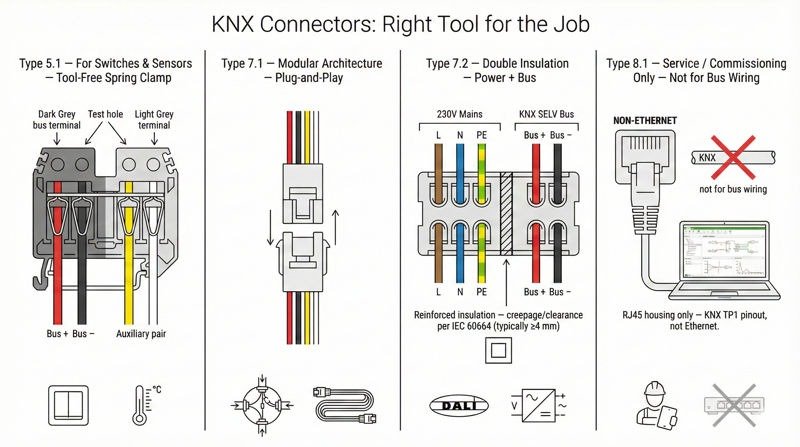
The KNX system is a global open standard for building automation. It allows KNX Intelligent Lighting System different devices (from different manufacturers) to communicate using one common protocol.
It is widely used in:
- Smart homes
- Offices
- Hospitals
- Airports
- Hotels
- Shopping malls
- Industrial buildings
KNX is approved under international standards such as:
- EN 50090 (Europe)
- ISO/IEC 14543
This makes it a future-proof and reliable technology.
1.Decentralized Architecture
Unlike traditional systems that depend on one main controller, KNX KNX Intelligent Lighting System uses a distributed intelligence system.
This means:
- Each device has its own microprocessor.
- If one device fails, the rest of the system continues working.
This increases system reliability.
2.Communication Modes
KNX supports multiple communication methods:
- Twisted Pair (TP) Most common
- Power Line (PL)
- Radio Frequency (RF)
- IP / Ethernet
For lighting systems, Twisted Pair (TP) is most popular.
3.Group Addressing Concept
KNX does not work like simple ON/OFF wiring.
Instead:
- Devices are assigned group addresses.
- Multiple lights can respond to one command.
- One switch can control many light zones.
Example:
A single “Movie Mode” button can:
- Dim living room lights to 30%
- Turn off kitchen lights
- Close blinds
- Activate ambient LED strips
All with one press.
Features of KNX Intelligent Lighting
1. Daylight Harvesting
The system measures natural daylight and automatically adjusts artificial light levels.
Benefits:
- Maximum energy efficiency
- Balanced brightness
- Reduced eye strain
2. Presence-Based Lighting
Using motion and presence sensors:
- Lights turn ON when someone enters.
- Lights turn OFF when no movement is detected.
Perfect for:
- Offices
- Corridors
- Bathrooms
- Parking areas
- 3. Scene Control
KNX allows custom lighting scenes like:
- Dinner Mode
- Relax Mode
- Party Mode
- Work Mode
- Night Mode
Each scene can control:
- Brightness levels
- Color temperature
- Light zones
- Timing
4. Tunable White & RGB Control
Modern KNX systems support:
- Color-changing LED lights
- Warm-to-cool white adjustment
- Circadian lighting
This helps improve:
- Mood
- Productivity
- Sleep cycle
Why Professionals Prefer KNX
- Long-term reliability
- Open standard (not brand-locked)
- Used in high-end projects
- Strong global support
Integration with Other Smart Systems
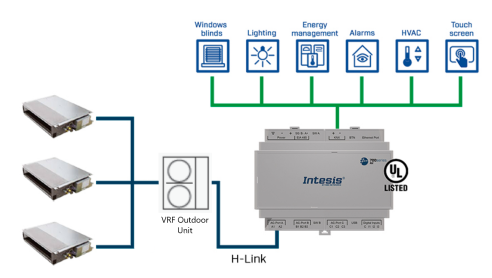
One major advantage of KNX is full building integration.
KNX lighting can work together with:
HVAC Systems
Lights adjust based on room temperature and occupancy.
Motorized Blinds
Blinds close automatically to reduce glare and reduce lighting load.
Security Systems
Lights flash during alarms.
Energy Monitoring
The system tracks real-time consumption.
This creates a complete smart building ecosystem.
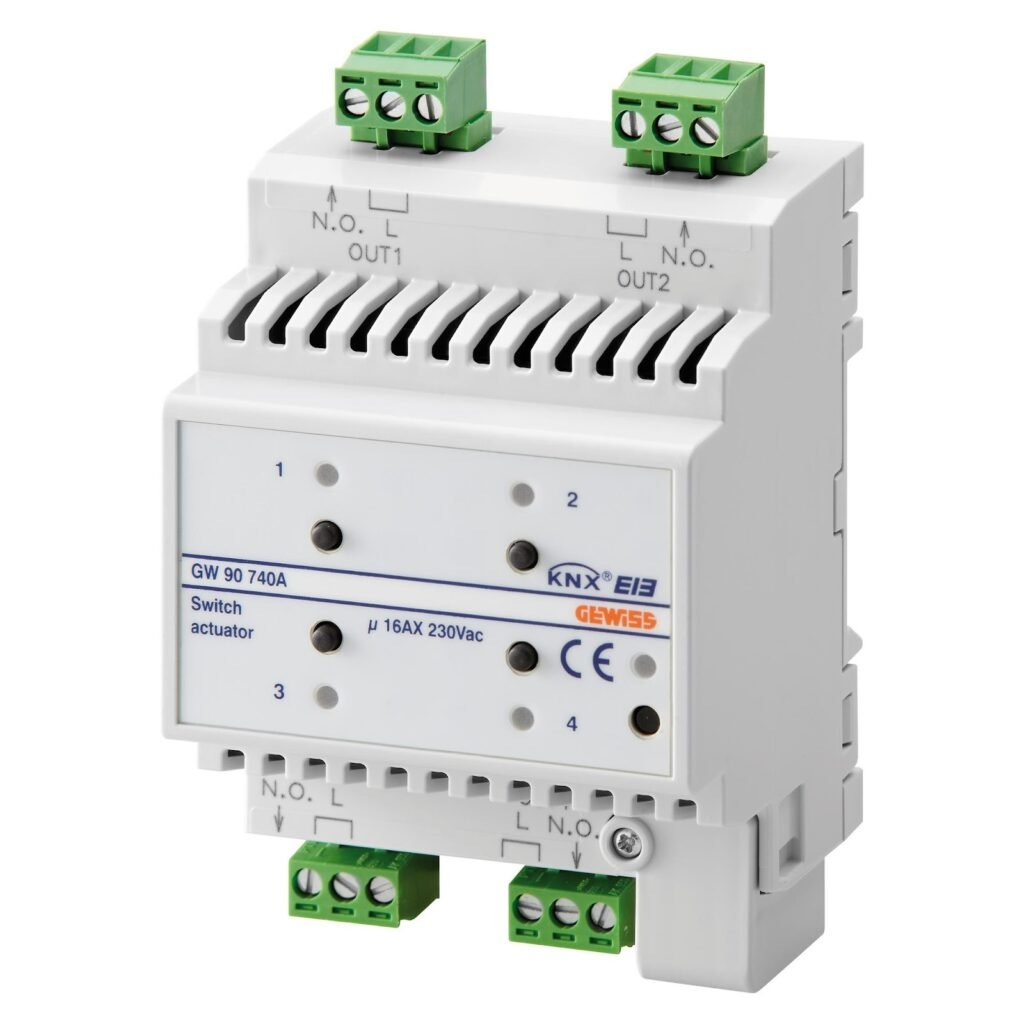
Cost Breakdown of KNX Lighting System
Many people ask: “Is KNX expensive?”
Initial Costs Include:
- KNX power supply
- Actuators
- Sensors
- Switches
- Bus cable
- Programming cost
Estimated Cost (General Range)
For residential projects:
- Small apartment: Medium budget
- Luxury villa: Higher budget
- Commercial building: Scalable investment
Although installation cost is higher than traditional wiring, KNX Intelligent Lighting System savings include:
- Lower electricity bills
- Reduced maintenance
- Higher property value
- Long-term durability
Return on investment (ROI) often appears within a few years.
Security & Data Protection
KNX systems today support:
- KNX Secure encryption
- Secure IP tunneling
- Authentication layers
This protects the building from:
- Unauthorized access
- Hacking
- Data manipulation
For commercial projects, this is extremely important.
Commercial Case Study
Smart Office Tower
A 12-floor corporate building installed KNX lighting:
Before:
- Lights ran 12 hours daily
- High electricity bills
- Manual control only
After:
- Motion-based operation
- Daylight adjustment
- Automated schedules
Results:
- 45% reduction in lighting energy
- Improved employee comfort
- Higher building rating certification
Actionable Advice Before Installing KNX
Here are practical tips:
1. Define Your Goals
Do you want:
- Energy saving?
- Luxury experience?
- Full building automation?
Be clear before starting.
2. Work with Certified KNX Integrators
Certification ensures:
- Proper programming
- Reliable wiring
- Long-term support
3. Plan Future Expansion
Even if you only install lighting today, prepare wiring for:
- HVAC
- Security
- Curtain control
This saves future renovation costs.
4. Choose Energy-Efficient LED Fixtures
KNX works best with:
- Dimmable LEDs
- High-quality drivers
- Compatible actuators
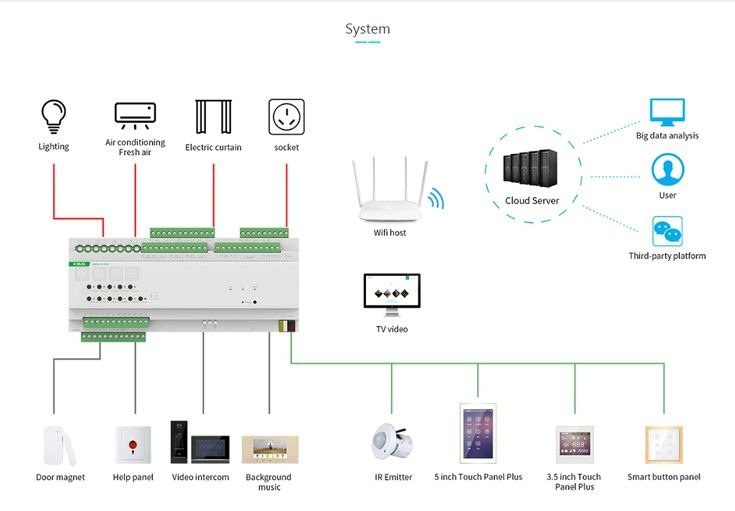
Future Trends in KNX Intelligent Lighting
The future of KNX includes:
AI-Based Automation
Learning user habits automatically.
Cloud IntegMration
Remote monitoring and analytics.
Smart City Applications
Street lighting automation.
Predictive Maintenance
System alerts before failure happens.
KNX continues to evolve with modern technology trends.
FAQs
Is KNX good for residential homes?
Yes, especially for medium to high-end homes.
Can KNX work without internet?
Yes. Basic automation does not require the internet.
Is KNX wireless?
It can be both wired and wireless.
How long does a KNX system last?
Properly installed systems can last 15–25 years or more.
Can I upgrade traditional lighting to KNX?
Yes, but it may require partial rewiring.
Conclusion
A KNX Intelligent Lighting System is an investment in comfort, efficiency, and future-ready technology. Whether you are building a smart home or upgrading a commercial space, KNX Intelligent Lighting System KNX delivers automation that enhances daily life.
With energy savings, integration flexibility, and intelligent control, KNX is more KNX Intelligent Lighting System than lighting, it is a smarter way of living and working.